

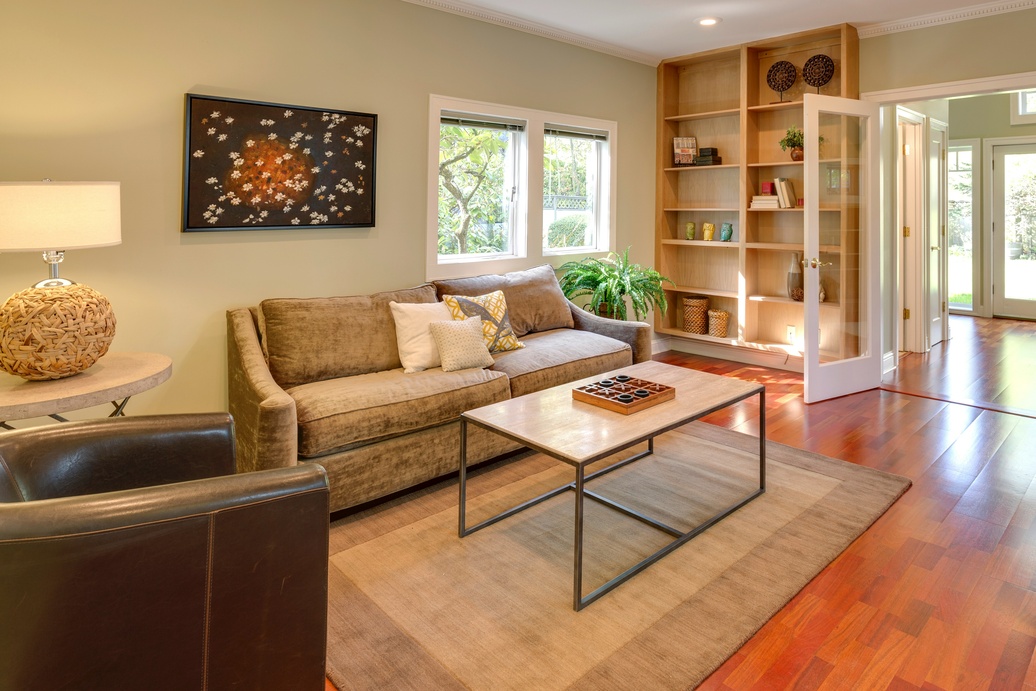
Hardwood flooring can completely change how a home feels. When flooring flows naturally from room to room, the home often feels larger, cleaner, and more thoughtfully designed. However, when flooring styles or colors clash, even beautiful hardwood can make spaces feel disconnected.
That is why coordinating wood flooring throughout your home matters just as much as choosing the flooring itself.
At Cherokee Floor Covering, we have spent the last 30 years helping homeowners create spaces that feel balanced and timeless. Our knowledgeable team understands how flooring impacts the overall design of a home, from the flow between rooms to the way lighting affects color. Whether you are updating one room or renovating your entire home, choosing coordinated hardwood flooring can make a major difference in the final result.
Why is hardwood flooring consistency important?
Consistent hardwood flooring helps create visual flow throughout a home. When rooms connect naturally through coordinated flooring, the entire house tends to feel more open and inviting. Too many sudden changes in color, plank style, or finish can make spaces feel smaller and visually busy.
This does not mean every room must have identical flooring. Instead, the goal is to create coordination so each space feels connected to the next.
A coordinated wood flooring plan can help:
Create a smoother flow between rooms
Improve resale appeal
Reduce visual clutter
Support open-concept layouts
Allow furniture and décor to stand out naturally
Many homeowners today prefer simpler flooring layouts because they create a cleaner and more timeless appearance.
Should hardwood flooring match in every room?
Hardwood flooring does not always need to match perfectly throughout the home, but it should feel cohesive.
Many homeowners choose to install the same wood floors throughout their main living areas, including kitchens, hallways, dining rooms, and living rooms. This approach often creates the most seamless appearance.
Bedrooms may sometimes feature slightly different tones depending on the homeowner’s style preferences. Bathrooms and laundry rooms may also use different flooring materials because of moisture concerns.
If you decide to mix hardwood styles, keeping certain design elements consistent will help maintain balance throughout the home.
These elements may include:
Similar undertones
Coordinated plank widths
Comparable wood grain patterns
Matching finish sheens
Similar color depth
For example, warm-toned hardwood flooring may not coordinate well beside cool gray flooring because the undertones compete visually.
What hardwood flooring colors work best together?
Understanding undertones is one of the most important parts of coordinating wood floors successfully.
Most wood flooring falls into warm, cool, or neutral color families. Once you identify the undertones already present in your home, choosing complementary flooring becomes much easier.
Warm hardwood tones
Warm hardwood flooring often includes shades such as:
Honey
Amber
Gold
Red
Rich brown
These tones often work well in traditional or rustic interiors.
Cool hardwood tones
Cool-toned hardwood flooring may feature:
Gray
Ash
Taupe
Cooler beige tones
These colors are commonly used in modern and transitional homes.
Neutral hardwood tones
Neutral hardwood flooring remains popular because it works with many different design styles. White oak flooring is especially versatile because it balances warm and cool tones naturally.
If you are unsure about undertones, comparing flooring samples alongside paint colors, cabinetry, and furniture can help simplify the decision process. At Cherokee Floor Covering, we help homeowners evaluate materials together so everything feels coordinated before installation begins.
How should hardwood flooring transition between rooms?
Wood flooring transitions should feel natural rather than abrupt.
One of the best ways to create flow throughout the home is by minimizing unnecessary transition strips between connected spaces. Continuous flooring often creates a cleaner and more upscale appearance.
However, transitions are sometimes necessary when different flooring materials meet or when the flooring direction changes.
Several design choices can help transitions feel smoother:
Keep the plank direction consistent in open areas
Use low-profile transition pieces when needed
Coordinate stain colors between rooms
Avoid dramatic shifts from dark flooring to light flooring
Consider how lighting changes in different spaces
Lighting can significantly affect how hardwood flooring appears. A floor that looks light in a showroom may appear darker inside your home, depending on natural light exposure.
Viewing flooring samples inside the home during different times of day can help prevent surprises.
Should the direction of hardwood flooring stay the same?
In many homes, consistent plank direction creates the best visual flow.
Running hardwood flooring in the same direction throughout connected rooms often helps spaces feel larger and more cohesive. Many installers recommend running planks parallel to the longest wall or following the primary line of sight through the home.
Changing the flooring direction too often can make spaces feel disconnected. However, certain patterned layouts, such as herringbone or chevron, can work beautifully as accent features when used intentionally.
In most homes, simpler flooring layouts tend to remain stylish longer and create a more timeless appearance.
How do you coordinate hardwood flooring with cabinets and walls?
Wood floors should complement surrounding finishes rather than compete with them.
If cabinetry already features bold wood grain patterns or strong wood tones, a calmer hardwood floor may create better balance. Painted cabinets typically allow more flexibility when selecting flooring colors.
Wall color also influences how hardwood flooring looks throughout the space. Bright white walls can create a strong contrast with warm hardwood tones, while softer neutral paint colors often create a smoother appearance.
Several design principles can help create better coordination throughout the home:
Avoid matching cabinets and flooring too closely
Create contrast between floors and cabinetry
Balance warm and cool tones carefully
Use area rugs to soften transitions between spaces
The goal is to create balance, so all design elements work together naturally.
Your experts on wood floors in Woodstock, GA
Coordinating hardwood flooring throughout an entire home involves more than simply selecting a color sample. Lighting conditions, room size, subfloor preparation, and long-term durability all influence the final result.
At Cherokee Floor Covering, we bring decades of flooring experience to every project.
If you are planning a wood flooring project, call or stop by Cherokee Floor Covering to explore flooring styles, compare colors, and receive expert guidance for your home. From our showroom in Woodstock, GA, we serve Woodstock, Marietta, Canton, Acworth, and Kennesaw, GA.


