

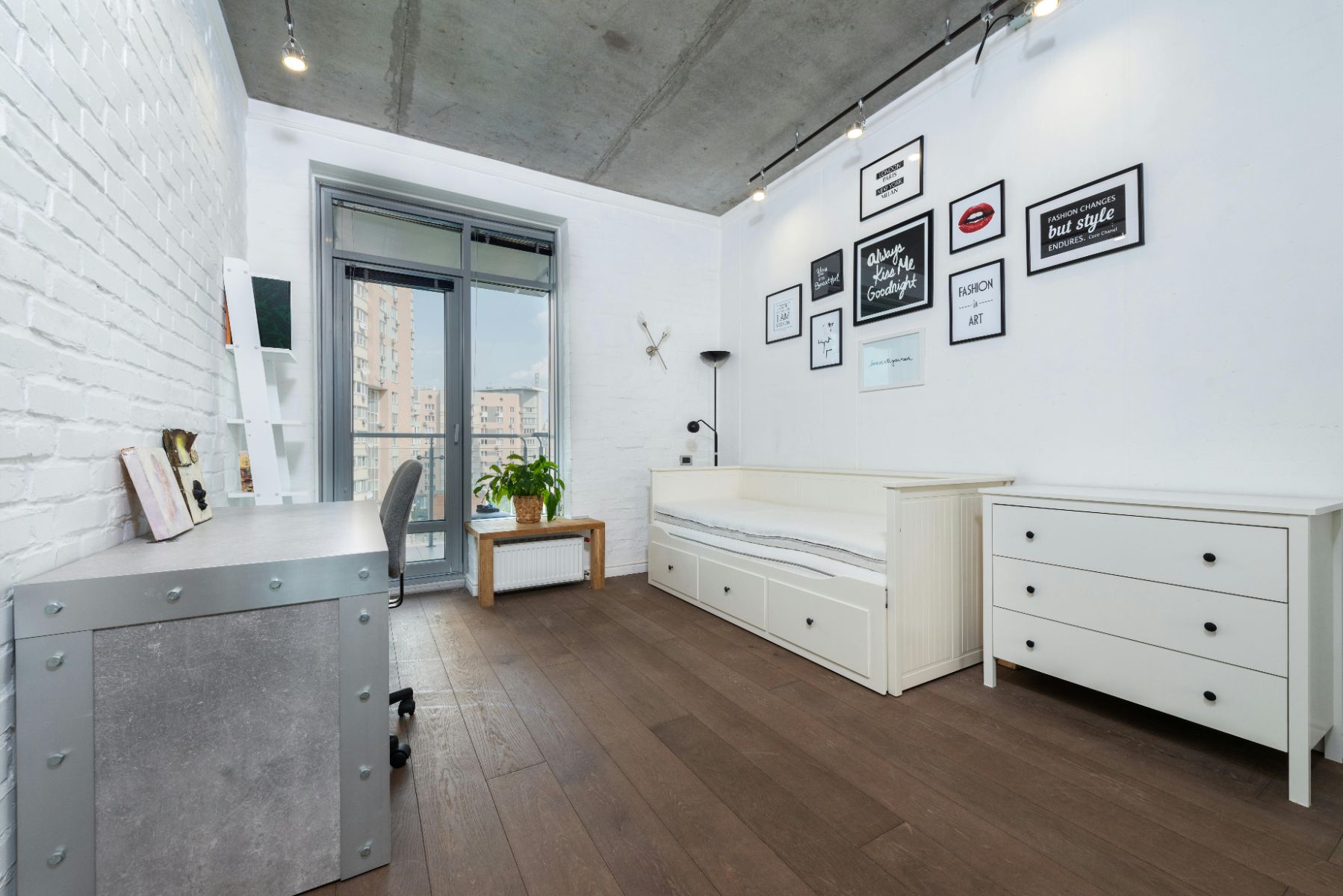
Hardwood flooring looks amazing when it is installed right and cared for the right way. It brings warmth, character, and long-lasting beauty to any room. But hardwood is also natural. It reacts to the environment around it. When humidity goes up and down, hardwood moves. If the air gets too dry, boards shrink and create gaps. If the air gets too humid, boards expand and start to cup or warp. That is why controlling humidity in your home matters. It protects your investment and keeps your wood floors looking smooth and stable all year long.
How humidity impacts wood floors
Hardwood flooring responds to moisture in the air. Wood fibers swell when they absorb moisture. They shrink when the air becomes dry. These small movements happen every day, but they become a problem when humidity levels jump too far in either direction.
In Woodstock, GA, humidity is a constant factor. Our summers are humid. Our winters can be dry inside because of heating systems. This mix creates the perfect conditions for hardwood movement. When humidity is not managed, floors can shift, pull apart, or rise at the edges.
Common problems caused by humidity swings
Small changes in moisture are normal. Big swings cause damage you can see and feel. Here are the most common issues hardwood homeowners face.
Gapping: During dry seasons, hardwood boards lose moisture and shrink. Even high-quality wood floors can form small lines between the planks. These gaps may close up when humidity rises again, but if the air stays dry for too long, the shrinking becomes permanent. This leads to visible gaps that change the look of your floor.
Cupping: Cupping happens when the bottom of the board absorbs more moisture than the top. The edges rise while the center dips. This often occurs during humid seasons or in rooms with poor ventilation. Cupping gives the floor a wavy look and can be felt underfoot.
Crowning: Crowning is the opposite of cupping. The center of the board rises higher than the edges. This usually happens when moisture sits on top of the floor or when cupped boards are sanded too early.
Warping: Warping is a severe form of moisture damage. Boards twist or lift. In some cases, sections of flooring detach from the subfloor. Once hardwood flooring warps, it usually cannot be reversed and needs replacement.
How to control humidity in your home
You cannot control Georgia's weather, but you can control the humidity inside your home. Maintaining a stable indoor humidity level is crucial for preventing hardwood flooring issues.
Use a humidifier or dehumidifier: The ideal humidity range for hardwood flooring is between 35 and 55 percent. A whole-home humidifier or dehumidifier keeps the air consistent. If you only have issues in certain rooms, portable units work too.
Keep air flowing: Good airflow helps balance moisture in the home. Use ceiling fans. Open windows when the weather is mild and dry. Make sure your HVAC system circulates air well. Stagnant rooms tend to hold more moisture, which can affect your floors.
Maintain your HVAC system: A well-maintained HVAC system plays a huge role in humidity control. Change filters regularly and schedule seasonal tune ups. A healthy system keeps temperatures even, reduces excess moisture, and prevents humidity spikes.
Use a hygrometer: A hygrometer is a small, inexpensive device that measures humidity. Place one in the rooms with wood floors. It provides real-time insight into what is happening in your home, allowing you to adjust before any damage occurs.
How to prevent gaps, cupping, and warping
Humidity control is the biggest step, but there are other habits that help protect your wood floors.
Acclimate your flooring: Before hardwood is installed, it needs time to adapt to your home. This process prevents major changes after installation. Many issues start because the wood was installed too quickly.
Avoid wet mopping: Too much water on the surface of hardwood flooring can lead to swelling, cupping, and long-term damage. Use a dry or slightly damp mop only.
Clean spills quickly: Moisture that sits on top of hardwood can seep between boards. Wipe spills right away to avoid swelling.
Keep blinds or curtains closed during hot, humid days: Heat and sunlight raise humidity in a room. Shading your floors helps keep the environment steady.
Contact our hardwood flooring store in Woodstock, GA
Humidity control does not need to be complicated. When you work with a flooring professional, you receive guidance on the best hardwood flooring options, the proper installation process, and the ideal care steps tailored to our climate. Our team at Cherokee Floor Covering understands how Georgia weather affects hardwood and can help you avoid costly issues before they begin.
If you want wood floors that stay beautiful year after year, start with good humidity control and the right support from a trusted hardwood flooring store in Woodstock, GA. We serve in and around Woodstock, Marietta, Canton, Acworth, and Kennesaw, GA. Get in touch with us today!


