

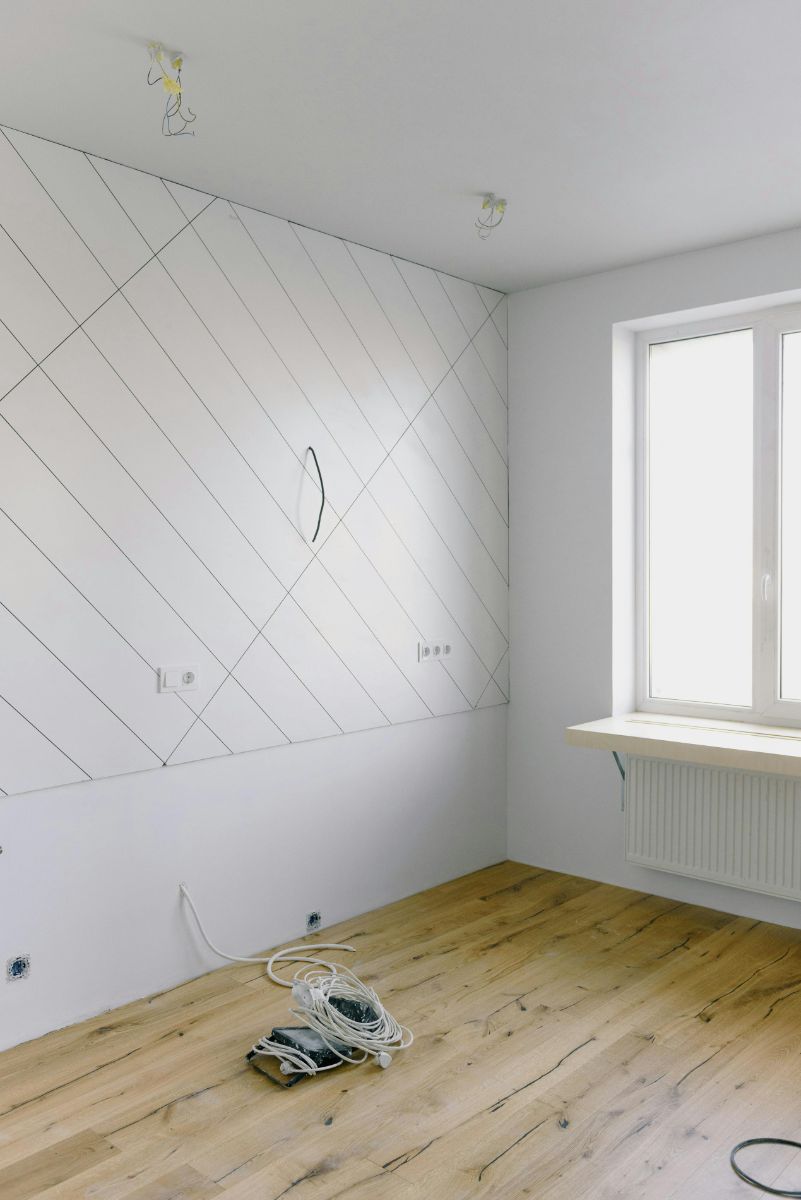
Unfinished hardwood flooring is a bold choice, and it is one that gives you full control over the final result. If you are considering this option, you are likely looking for something more customized than a standard, prefinished floor. That instinct is right. However, before you move forward, it is important to understand what the process involves, what to expect, and how to make the best decisions along the way.
At Cherokee Floor Covering, we have spent over 30 years helping homeowners make confident flooring choices. Our experienced team, many of whom have been in the industry for more than 15 years, understands the details that make a project successful. We want you to go into your hardwood flooring project informed and prepared.
What is unfinished hardwood flooring?
Unfinished hardwood flooring is wood that is installed first and then sanded, stained, and finished on-site.
Unlike prefinished hardwood, which comes with a factory-applied finish, unfinished hardwood starts in its natural state. This means that every step after installation is completed in your home, allowing for a more customized outcome.
Here is the key difference:
Prefinished hardwood is quicker and cleaner to install
Unfinished hardwood allows for full control over stain color and finish
Unfinished floors are sanded after installation to create a smooth, seamless surface
If you are aiming for a uniform look without visible transitions between boards, unfinished hardwood flooring offers a clear advantage.
Why do homeowners choose unfinished hardwood floors?
Homeowners choose unfinished hardwood flooring because it offers flexibility and a highly personalized finish.
This option allows you to design your flooring to match your home exactly, rather than settling for a pre-selected color or finish.
Here are the main reasons people choose unfinished hardwood floors:
Custom stain options: You can match your flooring to cabinets, trim, or design preferences
Seamless appearance: On-site sanding blends the boards together for a consistent look
Ideal for large spaces: Open layouts benefit from the continuous finish
Refinishing potential: These floors can be sanded and refinished multiple times over the years
If your goal is a one-of-a-kind floor that fits your vision perfectly, unfinished hardwood flooring is a strong option.
What are the downsides of unfinished hardwood flooring?
Unfinished hardwood flooring requires more time, planning, and patience than other flooring options.
It is important to understand that this process is more involved and may temporarily disrupt your home.
Here are the main considerations:
Longer installation timeline: Sanding, staining, and finishing extend the project duration
Dust and fumes: On-site work creates dust and requires proper ventilation
Temporary relocation: You may need to stay out of certain areas or leave the home during finishing
Higher labor costs: Skilled professionals are required for proper installation and finishing
This type of project requires coordination and realistic expectations, but the end result is often worth the effort.
How do you choose the right wood species?
Choosing the right wood species depends on durability, appearance, and how you use your space.
Different species offer different levels of hardness, grain patterns, and color variation.
Here are some common choices:
Oak: A durable and versatile option that accepts stain well
Maple: A smoother grain with a modern look, though it can be more challenging to stain
Hickory: Extremely durable with bold natural variation
Walnut: Rich in color but softer, making it better for lower-traffic areas
You should think about your daily lifestyle, including foot traffic, pets, and long-term wear. The right species will balance beauty with performance.
What should you know about the sanding and finishing process?
The sanding and finishing process is what transforms unfinished hardwood into a finished floor.
This stage determines the final appearance and durability of your flooring.
Here is how the process typically works:
Sanding smooths the surface and levels the boards
Stain is applied to achieve the desired color
Multiple coats of finish are added for protection
You will also need to choose the type of finish:
Matte finishes create a natural look and help hide scratches
Satin finishes provide a subtle sheen and are easy to maintain
Gloss finishes offer a more reflective and dramatic appearance
Each option affects how your floor looks in different lighting conditions and how much maintenance it will require over time.
How long does unfinished hardwood flooring installation take?
Installation of unfinished hardwood floors typically takes several days to complete.
The exact timeline depends on the size of the project and environmental conditions.
A general timeline includes:
Day 1 to 2: Installation of the raw wood planks
Day 3: Sanding the surface
Day 4: Applying stain
Day 5 to 7: Applying finish coats and allowing for proper drying
Factors such as humidity and temperature can affect drying times. It is important not to rush this process, as doing so can impact the final quality of the floor.
What should you budget for unfinished hardwood floors?
Unfinished hardwood flooring often comes with a higher upfront cost due to labor, but it provides long-term value.
You are investing in craftsmanship and customization.
Your budget should include:
The cost of the wood material
Professional installation services
Sanding and finishing labor
Stain and protective finish products
Although the initial cost may be higher than that of prefinished options, the ability to refinish the floor over time can extend its lifespan significantly.
How do you maintain unfinished hardwood floors after installation?
Maintaining unfinished hardwood flooring is straightforward once the finish has been applied.
Consistent care will help preserve the appearance and durability of your floors.
Here are some essential maintenance tips:
Sweep or vacuum regularly to remove dirt and debris
Use a damp mop with a hardwood-safe cleaner
Avoid excessive moisture and standing water
Place rugs in high-traffic areas to reduce wear
Use felt pads under furniture to prevent scratches
The type of finish you choose will also affect maintenance. Matte finishes tend to hide imperfections better, while glossier finishes may show dust and scratches more easily.
Your experts on unfinished hardwood floors in Woodstock, GA
Unfinished hardwood flooring is a great choice if you value customization, durability, and a seamless appearance.
While it requires more time and planning, it offers a level of personalization that is difficult to achieve with prefinished products.
If you are ready to invest in a floor that is tailored to your space and built to last, unfinished hardwood flooring may be the right solution for you.
Get in touch with Cherokee Floor Covering today to explore your options. Our showroom in Woodstock, GA, serves Woodstock, Marietta, Canton, Acworth, and Kennesaw, GA.


