

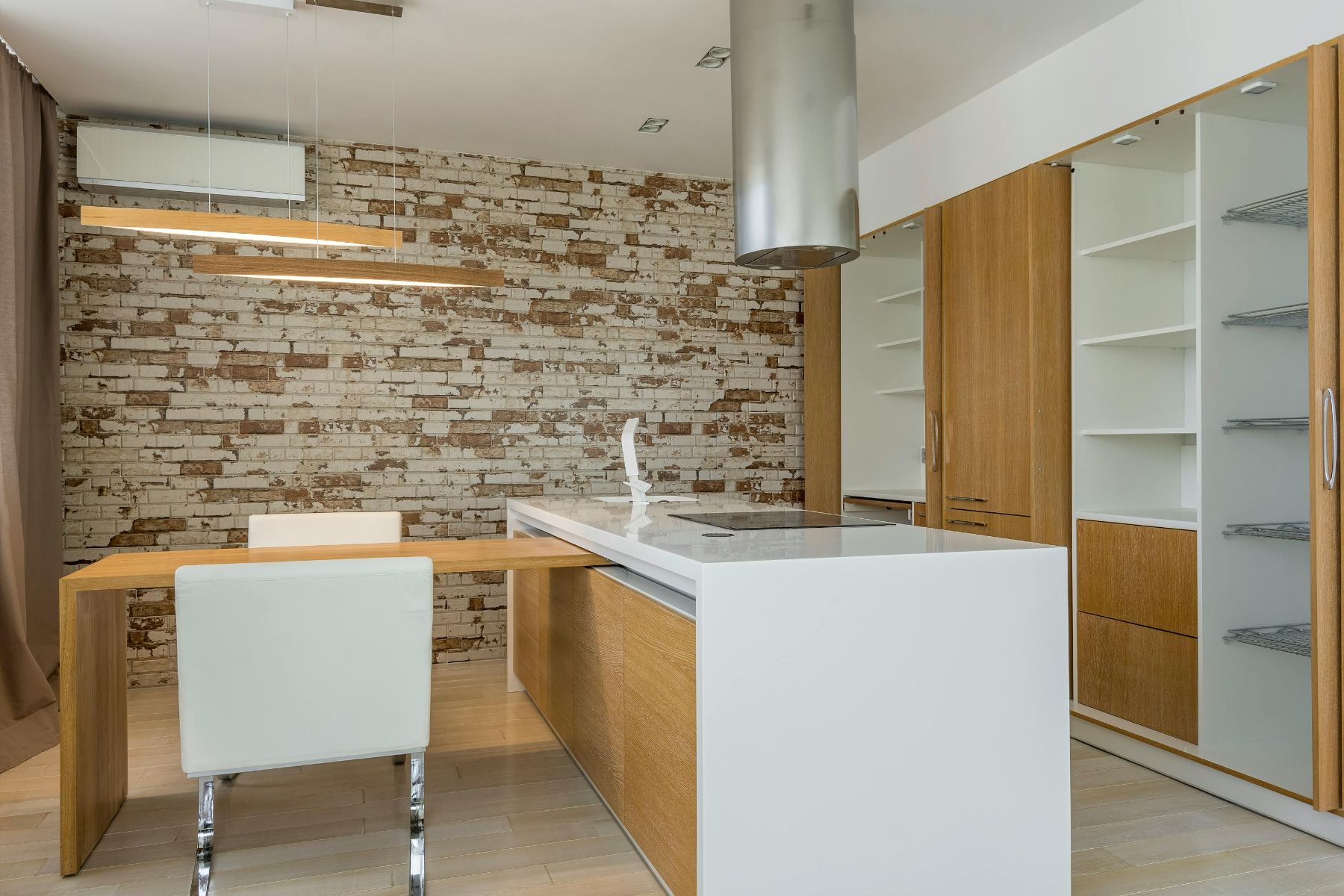
Wood floors have a way of stopping people mid-sentence. They walk into a room, look down, and instantly feel something. Patterned hardwood takes that reaction even further. Two of the most talked-about styles are chevron and herringbone hardwood flooring. They look similar at first glance, but once you know what to look for, the differences are clear and important.
If you’re deciding between these two timeless patterns, we’re here to break it down in plain language. No fluff or guesswork. Just real guidance from a flooring team that’s been doing this for 30 years.
Why patterned hardwood flooring is making a comeback
Straight-lay hardwood will always have its place. But today’s homeowners want floors with personality. Something that feels custom. Something that elevates the entire space.
Chevron and herringbone patterns do exactly that. They add movement, direction, and depth. They turn a floor into a design feature instead of just a surface you walk on.
What is herringbone hardwood flooring?
Herringbone is the classic of the two. It’s been around for centuries and has roots in European architecture.
In a herringbone pattern, rectangular wood planks are laid at a 90-degree angle to each other. Each plank meets the next at a right angle, creating a staggered, zigzag effect.
The ends do not meet in a straight line. Instead, they overlap slightly, which creates a broken, rhythmic pattern that feels layered and rich.
Key traits of herringbone flooring:
Uses standard rectangular planks
Planks meet at right angles
The pattern looks staggered and interlocking
Traditional, timeless appearance
Herringbone works beautifully in both large and small spaces. It adds texture without overwhelming the room.
What is chevron hardwood flooring?
Chevron flooring looks sharper and more modern. Instead of overlapping planks, chevron boards are cut at an angle (typically 45 degrees) so the ends meet cleanly in a perfect point.
When installed, the pattern creates a continuous “V” shape that runs across the floor in straight lines.
Because of the angled cuts, chevron flooring requires precision milling and expert installation. There’s no room for error here.
Key traits of chevron flooring:
Planks are cut at an angle
Ends meet in a clean point
Creates straight, flowing lines
Bold, contemporary look
Chevron has a strong visual direction. It naturally draws the eye forward, making rooms feel longer and more intentional.
Chevron vs. herringbone wood floors: the visual difference
This is where the choice often becomes personal.
Herringbone hardwood flooring feels softer. More organic. It has movement, but it doesn’t demand attention. It blends into the space while still adding interest.
Chevron hardwood flooring feels crisp. Architectural. It’s a statement. If you want your floor to be the first thing people notice, chevron does that effortlessly.
Hardwood floor installation complexity and craftsmanship
Here’s something many homeowners don’t realize until later: installation matters a lot with patterned wood floors.
Herringbone uses standard planks, which gives installers a bit more flexibility. That doesn’t mean it’s easy, but it’s more forgiving than chevron.
Chevron hardwood floor installation is exact. Every angle has to line up perfectly. One small mistake can throw off the entire pattern.
This is why experience matters. Our professional installers have been doing this for years, and our full-time service department ensures every detail is handled correctly, from layout planning to final inspection.
When a floor looks flawless, it’s never by accident.
Hardwood flooring cost differences to consider
Because chevron planks must be cut at precise angles, they typically cost more than herringbone materials. Installation labor can also be higher due to the complexity.
Herringbone often comes in at a slightly lower price point while still delivering a high-end look.
That said, costs vary depending on:
Wood species
Plank size
Subfloor conditions
Room layout
We always recommend talking through budget and design goals together. There’s usually a smart solution that checks both boxes.
Which hardwood flooring style works best for your space?
Choosing between chevron and herringbone wood floors isn’t just about taste. It’s about how the room functions.
Chevron works well in:
Open-concept spaces
Long hallways
Modern or minimalist homes
Rooms where you want a strong visual flow
Herringbone works well in:
Traditional or transitional homes
Smaller rooms
Historic renovations
Spaces where you want texture without bold direction
We often lay out samples on the floor so you can see how the pattern interacts with light, furniture, and wall lines. That moment (when it clicks) is everything.
Wood species and finish options
Both patterns work with a wide range of hardwood species. Oak remains the most popular choice thanks to its durability and versatility. White oak, in particular, looks stunning in both chevron and herringbone layouts.
Finish plays a big role, too.
Lighter finishes highlight the pattern
Darker stains add drama and contrast
Matte finishes feel modern and relaxed
Satin finishes lean more classic
We help you balance pattern, color, and finish so nothing feels overdone.
Hardwood flooring maintenance and longevity
The good news? Maintenance is the same for both patterns.
Regular sweeping, proper humidity control, and occasional professional care will keep your floors looking incredible for decades.
The pattern doesn’t change durability, the quality of the wood and the installation does.
And yes, both chevron and herringbone wood floors can be refinished when the time comes. That’s part of what makes real hardwood flooring such a smart investment.
Contact our wood flooring store in Woodstock, GA
Chevron and herringbone hardwood flooring both deliver timeless beauty, just in different ways. One is bold and structured. The other is layered and classic.
Cherokee Floor Covering offers a wide selection of high-quality wood floors, including herringbone options. Our wood flooring store in Woodstock, GA, serves Woodstock, Marietta, Canton, Acworth, and Kennesaw, GA.