

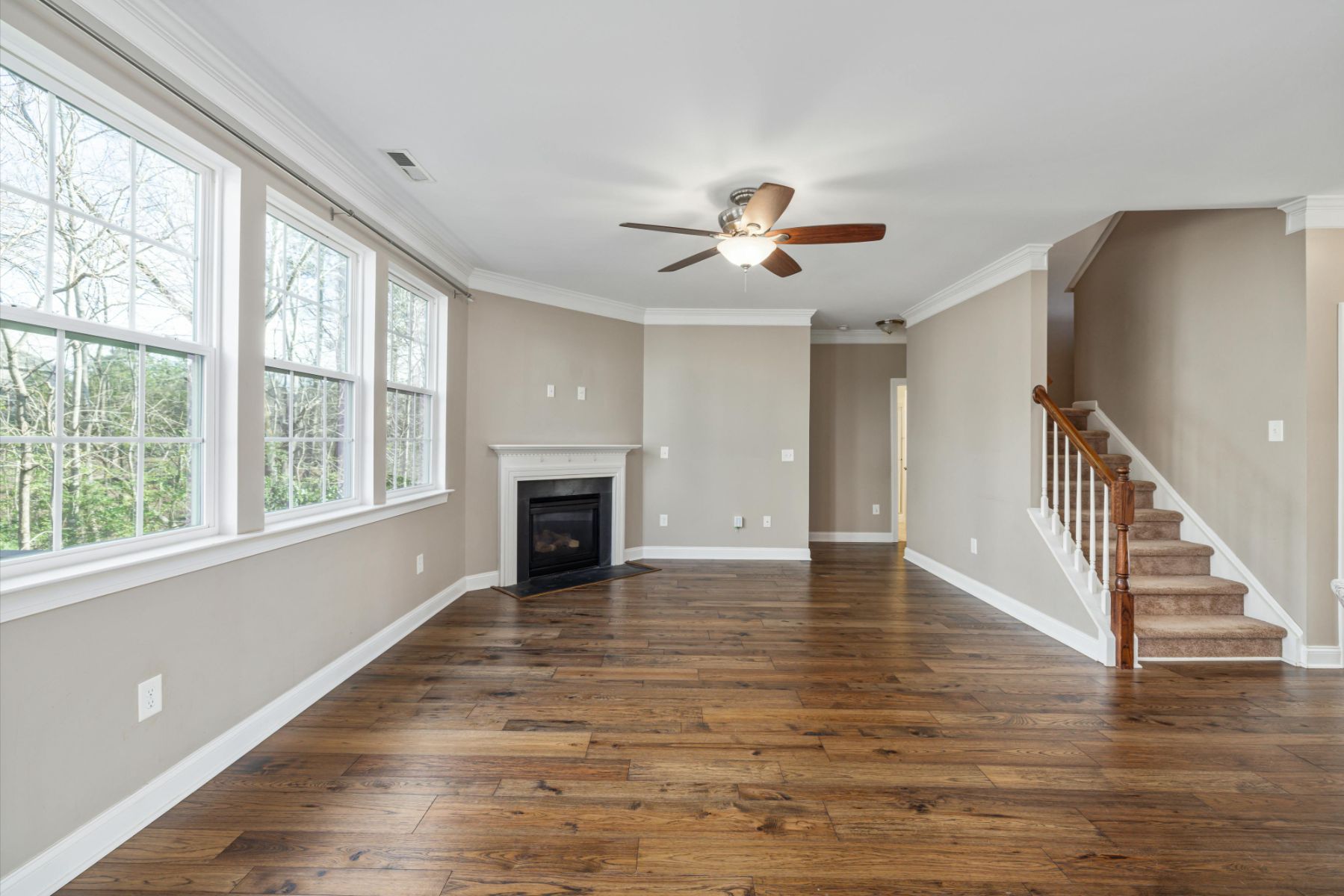
Hardwood floors add warmth, character, and lasting style to a home. So, seeing the edges of your floorboards suddenly curl upward can be alarming. This condition is called hardwood floor cupping, and excess moisture is almost always involved.
Cupping does not necessarily mean your floors are ruined. The key is finding the source of the moisture and correcting it before the problem gets worse. At Cherokee Floor Covering, our experienced team helps homeowners understand flooring problems and find practical solutions. Here is what you should know if your hardwood flooring is cupping.
What is hardwood floor cupping?
Hardwood floor cupping happens when the edges of a wood plank rise higher than its center. Run your hand across the floor, and the boards may feel slightly concave instead of flat.
Wood naturally reacts to its environment. It absorbs and releases moisture as conditions change. When the bottom of a hardwood plank contains more moisture than the top, it expands more. That imbalance causes the edges to rise.
Minor seasonal movement may improve as conditions stabilize. Significant or ongoing cupping, however, usually points to a moisture problem that needs attention.
What causes hardwood floors to cup?
Excess moisture is the main cause of cupping, but that moisture can come from several sources.
High indoor humidity is a common culprit, especially during Georgia's humid summers. Hardwood can absorb moisture from the surrounding air, causing the boards to swell.
Plumbing leaks, appliance leaks, wet subfloors, damp crawl spaces, and moisture moving through concrete can also cause problems. Even a small, hidden leak can expose the bottom of the flooring to excess moisture.
Cleaning with too much water may contribute as well. Hardwood should never be saturated during routine cleaning.
Installation conditions also matter. Problems can develop when hardwood flooring is installed before it has properly acclimated or when the subfloor contains too much moisture.
Can humidity cause hardwood floor cupping?
Yes. Humidity can significantly affect hardwood flooring because wood is a natural, moisture-sensitive material.
When indoor humidity rises, hardwood absorbs moisture and expands. When humidity falls, it releases moisture and contracts. Some seasonal movement is normal. Large or sudden changes are more likely to create visible problems.
Your air conditioner, HVAC system, or dehumidifier can help maintain consistent indoor conditions. Follow your flooring manufacturer's recommended humidity levels whenever possible.
Consider using a hygrometer, too. This simple device measures relative humidity and can help you identify unusually damp indoor conditions before they cause flooring damage.
Can cupped hardwood floors return to normal?
Sometimes. Whether your hardwood flooring can recover depends on the severity of the cupping, how long it has been present, and its underlying cause.
First, identify and eliminate the moisture source. That may mean repairing a leak, controlling crawl-space moisture, or lowering indoor humidity. Then allow the hardwood enough time to reach a stable moisture level.
Patience is important. Do not immediately sand cupped flooring flat. If excess moisture is still present, sanding too soon can create new problems as the wood dries.
Mild cupping may improve once moisture conditions return to normal. Severe or permanent damage may require refinishing or replacing individual boards. A flooring professional can inspect the floor and recommend the right solution.
How can you prevent hardwood floors from cupping?
Moisture control is the best way to protect hardwood floors. A few everyday habits can reduce your risk:
Wipe up spills quickly.
Avoid excessive water when cleaning.
Use cleaners made specifically for hardwood.
Maintain recommended indoor humidity levels.
Check plumbing and appliances for leaks.
Address damp basements and crawl spaces.
Place mats near exterior doors to catch moisture.
Check subfloor moisture before installing new hardwood.
Professional installation is also important. Hardwood, the subfloor, and the home's environment should all be evaluated before installation begins.
How should you clean cupped hardwood floors?
If your hardwood flooring is already cupping, keep additional moisture to a minimum while determining the cause. Sweep, dust mop, or vacuum regularly using a hard-floor setting.
For deeper cleaning, use a hardwood-approved cleaner and follow the flooring manufacturer's instructions. Avoid steam mops, soaking-wet mops, and large amounts of water.
Remember, cleaning alone will not fix cupping. The problem usually comes from moisture within or underneath the wood rather than dirt on the surface. Address the moisture source before focusing on cosmetic repairs.
When should you call a hardwood flooring professional?
Consider professional help if cupping appears suddenly, affects a large area, keeps getting worse, or remains after humidity and moisture conditions have stabilized. You should also seek help if you cannot determine where the moisture is coming from.
A flooring professional can assess the condition of the boards and determine whether they need time to dry, refinishing, repairs, or replacement.
Cherokee Floor Covering has served customers from our Woodstock, GA, location for decades. With professional installers and a full-time service department, we can help when your hardwood flooring is not performing as expected.
Get help with hardwood floors in Woodstock, GA
Hardwood floor cupping is usually a sign that moisture levels are out of balance. Finding the source early and correcting it can help prevent further damage and may allow mildly cupped floors to recover.
If you have questions about cupped hardwood floors or are considering new hardwood flooring, call or stop by Cherokee Floor Covering. Our experienced team can help you understand your flooring options and find a solution built to look beautiful and perform well in your home. Our hardwood flooring store in Woodstock, GA, serves Woodstock, Marietta, Canton, Acworth, and Kennesaw, GA.


